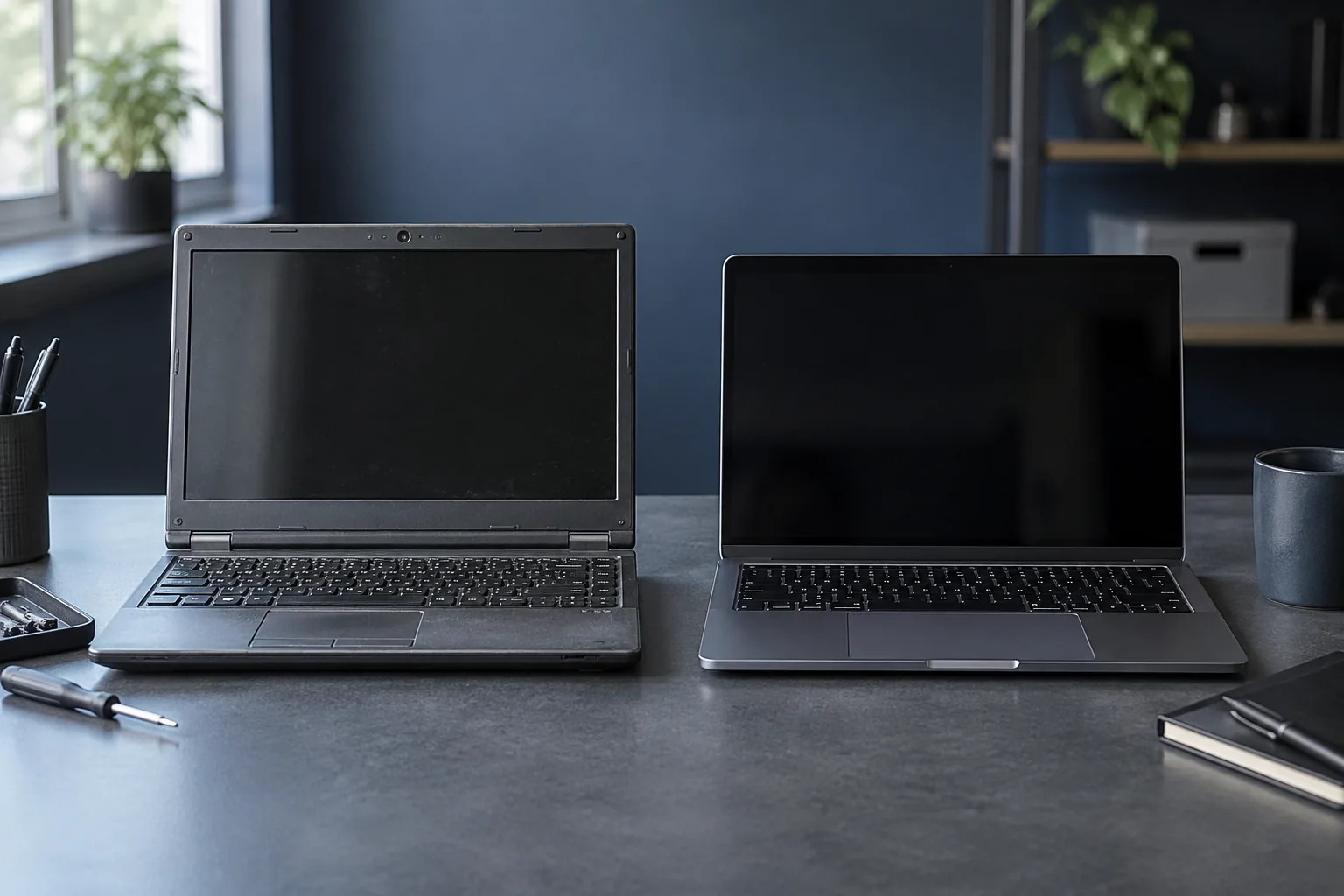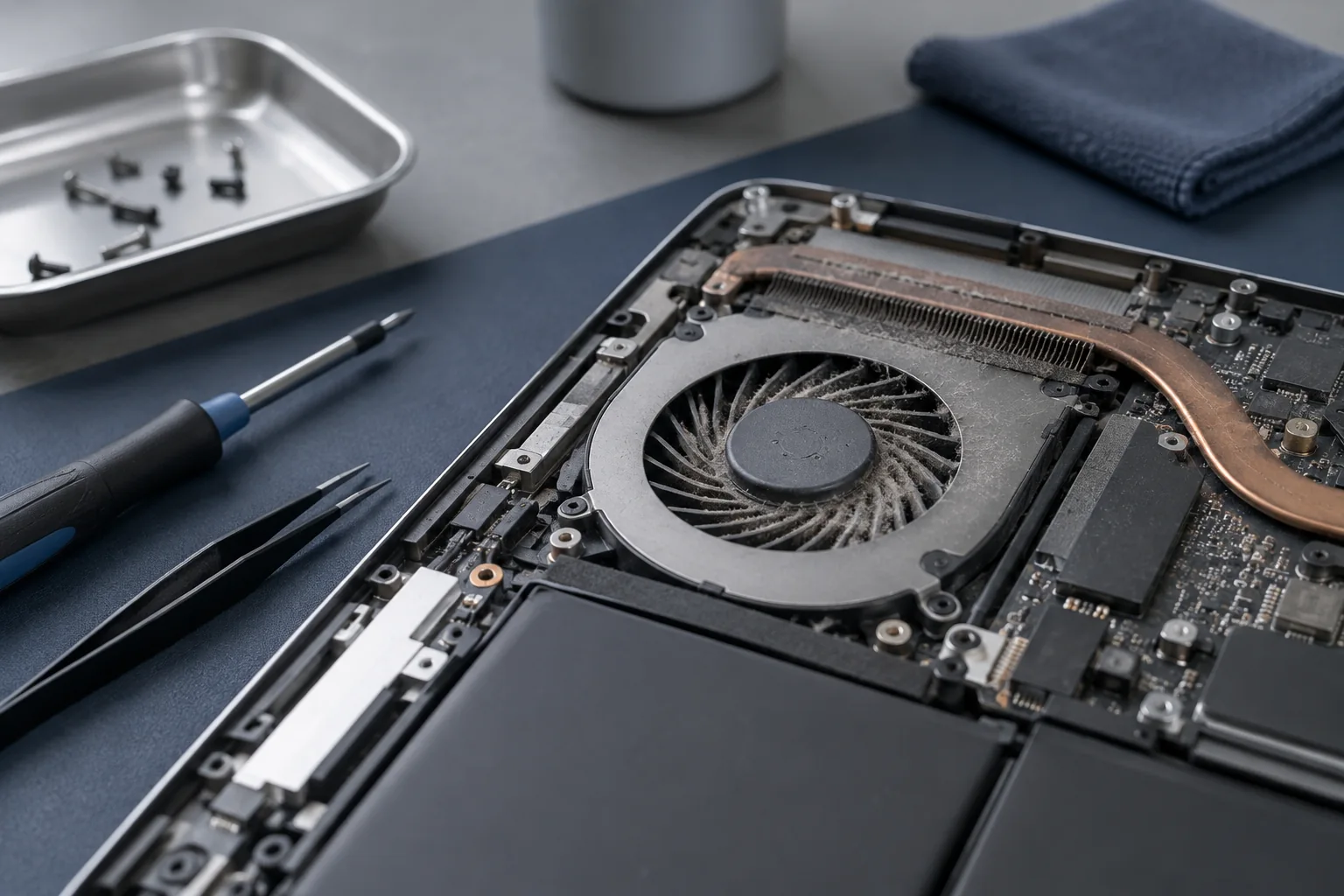

Moving to an SSD? Compare cloning with a fresh Windows installation, prepare your data and check the result before erasing the old drive.
Understand the difference
Cloning transfers an existing system and data layout to another drive. A fresh installation creates a new system environment, with applications and files requiring separate preparation. The choice depends on the condition of the old drive and system, not just the speed of the new SSD.
When cloning may help
If the system works well and you need a faster or larger drive, cloning may preserve your familiar working environment. Compatibility, used space and partitions still need checking. Choose storage for the computer interface and physical design: the M.2 shape alone does not establish compatibility.
When to consider a fresh installation
Starting with a new system means preparing application installers, licences and settings. Reinstallation does not repair a physically faulty drive. Cloning likewise does not remove existing system problems merely by moving them. Identify the cause of errors or slow performance before choosing a method.
Prepare before transferring
Create and verify a backup of important files. For an encrypted drive, arrange authorised access and recovery information without publishing it. If the drive disappears, makes unusual sounds or repeatedly stops reading, do not make repeated cloning attempts with your only copy of the data.
Check the completed migration
Check booting, essential files, applications, updates and activation. Do not erase the old drive before verifying the result and keeping a backup. Kmvle, MB can assess cloning suitability; we do not provide physical SSD or HDD data recovery. Work, the new drive and licences are agreed separately.
Practical checklist
- Check drive health and the backup.
- Prepare application and licence information.
- Keep the old drive until migration is verified.
Need help?
Describe the symptoms and share the model. We agree on the work and price before repair.